Maritime Laws That Apply to Offshore Injury Claims
Offshore injury claims in Louisiana are governed by federal maritime law, and the framework that applies to any individual worker depends on the type of vessel or structure involved, the worker’s role, and where the accident occurred. Identifying the correct legal theory early is one of the most consequential steps in any maritime claim. The four primary frameworks our Louisiana offshore injury lawyers work with are the Jones Act, the Longshore and Harbor Workers’ Compensation Act, the Death on the High Seas Act, and the maritime doctrine of maintenance and cure.
The Jones Act
The Jones Act, formally known as the Merchant Marine Act of 1920, gives seamen the right to sue their employer for negligence. Unlike workers’ compensation, which pays benefits regardless of fault, the Jones Act is a fault-based system that can allow for higher compensation when employer negligence contributed to the injury. It applies to workers who qualify as seamen, generally those whose work is substantially connected to a vessel in navigation.
The Longshore & Harbor Workers’ Compensation Act
The Longshore and Harbor Workers’ Compensation Act (LHWCA) covers maritime workers who don’t qualify under the Jones Act, including dockworkers, harbor construction workers, and others working on or adjacent to navigable waters. It provides federal workers’ compensation benefits for disability, medical expenses, and rehabilitation regardless of fault.
The Death on the High Seas Act
The Death on the High Seas Act (DOHSA) allows families of maritime workers killed more than three nautical miles from shore to seek compensation for pecuniary losses, the measurable financial harms caused by the death, including the income and support the deceased would have provided. DOHSA preempts state wrongful death statutes for deaths occurring on the high seas, addressing losses that standard wrongful death law can’t reach.
Maintenance and Cure
Maintenance and cure is a foundational doctrine in maritime law. It entitles injured seamen to a daily living allowance (maintenance) and payment of medical expenses (cure) from their employer, from the time of injury until they reach maximum medical improvement. This obligation exists regardless of fault, and employers who improperly deny or delay it may face additional liability.
Liability in Offshore Accidents
Liability in offshore and maritime cases rarely falls on a single party. These work environments typically involve vessel owners, direct employers, and multiple third-party contractors operating alongside each other, and more than one can bear legal responsibility for the same accident. That complexity is exactly why these claims require careful investigation before any settlement offer is accepted.
Liability can extend to multiple parties, including:
- Vessel Owners: Responsible for maintaining a seaworthy vessel and a safe working environment under the unseaworthiness doctrine and the Jones Act.
- Employers: May be held liable for inadequate training, missing safety equipment, or failure to comply with federal maritime safety regulations.
- Third-Party Contractors: Common on offshore rigs and platforms, these parties can be independently liable when their actions or equipment contributed to an accident.
What to Do After an Offshore Injury
The steps you take in the hours and days after an offshore accident can significantly affect the outcome of your claim. Report the incident to a supervisor and make sure an accident report is completed before leaving the vessel or worksite. Photograph the accident scene, the equipment involved, and your injuries as soon as it’s safe to do so. Preserve anything that might serve as evidence, including any communications about the incident.
You aren’t required to see only a company-designated doctor. An independent medical evaluation protects the accuracy of your injury record and keeps your options open. Employers and insurers often extend settlement offers before the full extent of injuries is known, and accepting one before consulting an attorney can permanently limit what you may recover. Maritime statutes carry filing deadlines that vary by claim type, and delay can mean losing the right to pursue compensation entirely. Speaking with a Louisiana offshore injury lawyer as early as possible is one of the most reliable ways to protect your rights.
Why Work With a Louisiana Offshore Injury Lawyer?
Maritime law is a federal practice area, and the insurers and employers on the other side of these claims have experienced legal teams in place from the moment an accident occurs. Handling a claim without comparable representation or relying on an employer’s guidance can lead to a settlement that falls well short of the worker’s damages. We take the cases other firms turn away, bring the resources to investigate complex offshore accidents thoroughly, and pursue compensation for medical costs, lost wages, and other recoverable damages. You won’t navigate this alone.
Don’t leave your future to chance. Call (225) 209-9943 for a free consultation with our Louisiana offshore injury lawyers.
Offshore Injury Types Louisiana Workers Experience
The Gulf of Mexico and Louisiana’s inland waterway system expose workers to a wide range of hazards, and the injuries that result can be catastrophic. The injury type matters because it shapes both the available legal theories and the damages that can be pursued.
Common causes of serious offshore injuries include:
- Fires and Explosions: Among the most devastating events on offshore platforms and vessels, often causing severe burns, traumatic injuries, or death.
- Slip-and-Fall Accidents: Wet or improperly maintained decks are a leading cause of offshore injuries across vessel types.
- Falling Objects: Equipment dropped from cranes, derricks, or improperly secured loads creates serious hazards on offshore rigs and supply vessels.
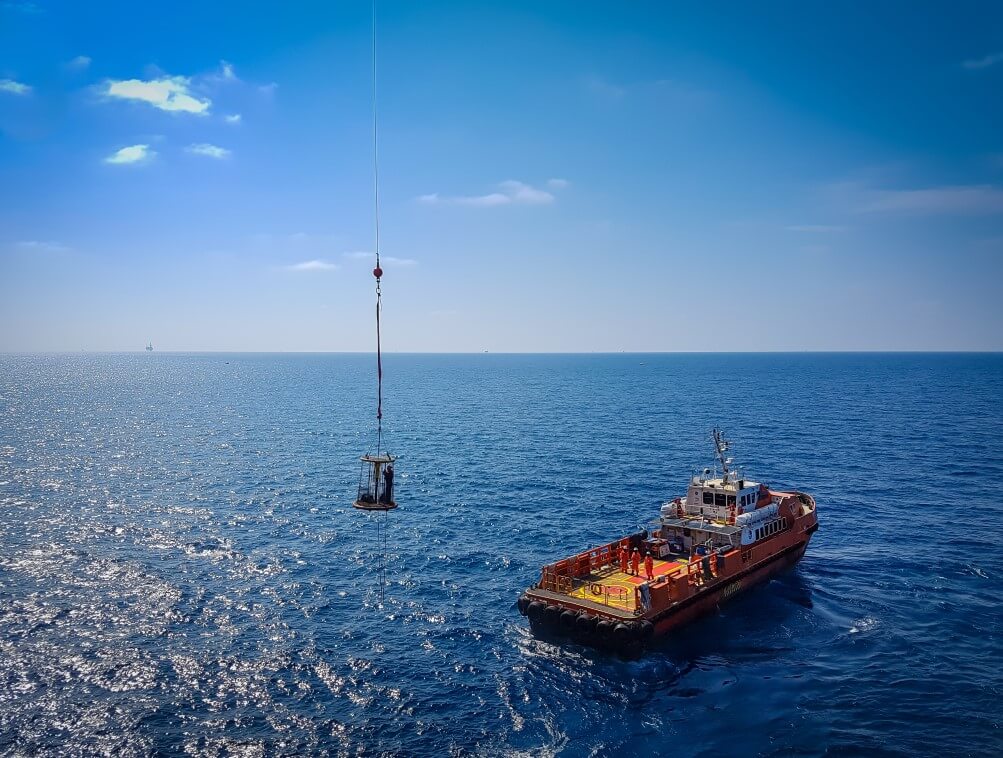
- Basket Transfer Injuries: Workers moved between vessels or platforms via personnel basket face significant risk when transfers are conducted improperly or in unsafe conditions.
- Chemical and Toxic Exposure: Contact with hydrogen sulfide, benzene, drilling fluids, and other substances can cause serious respiratory, neurological, or long-term health conditions.
- Repetitive Stress and Overexertion: Sustained physical demands in maritime work can produce cumulative injuries that may qualify for compensation under the same legal frameworks as acute accidents.
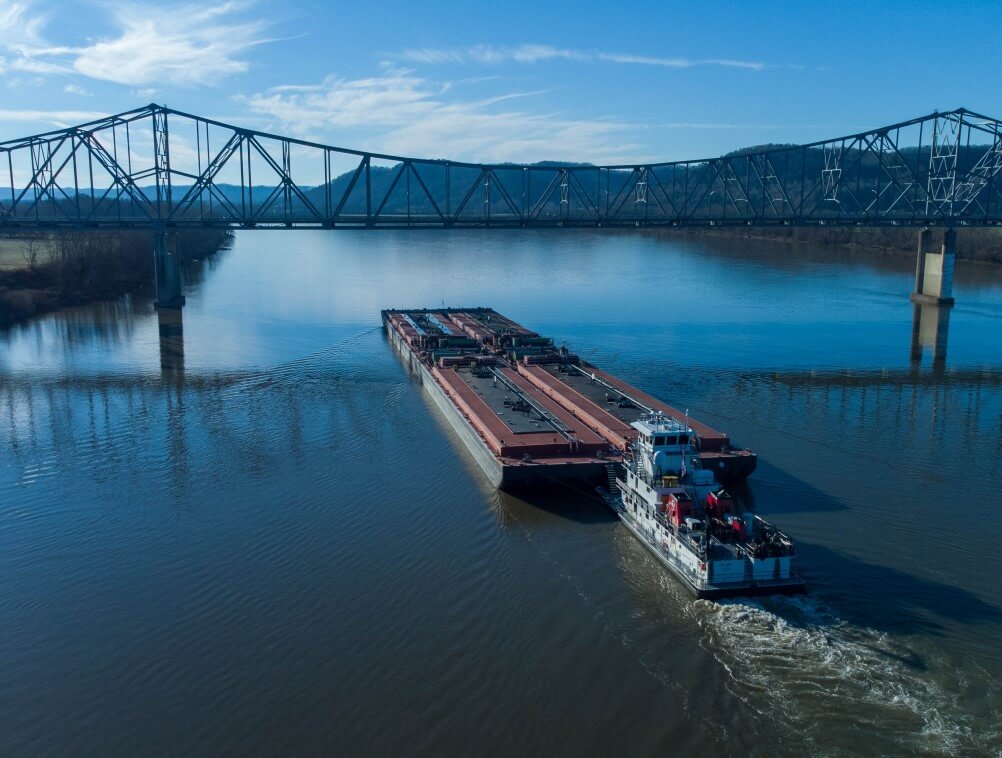
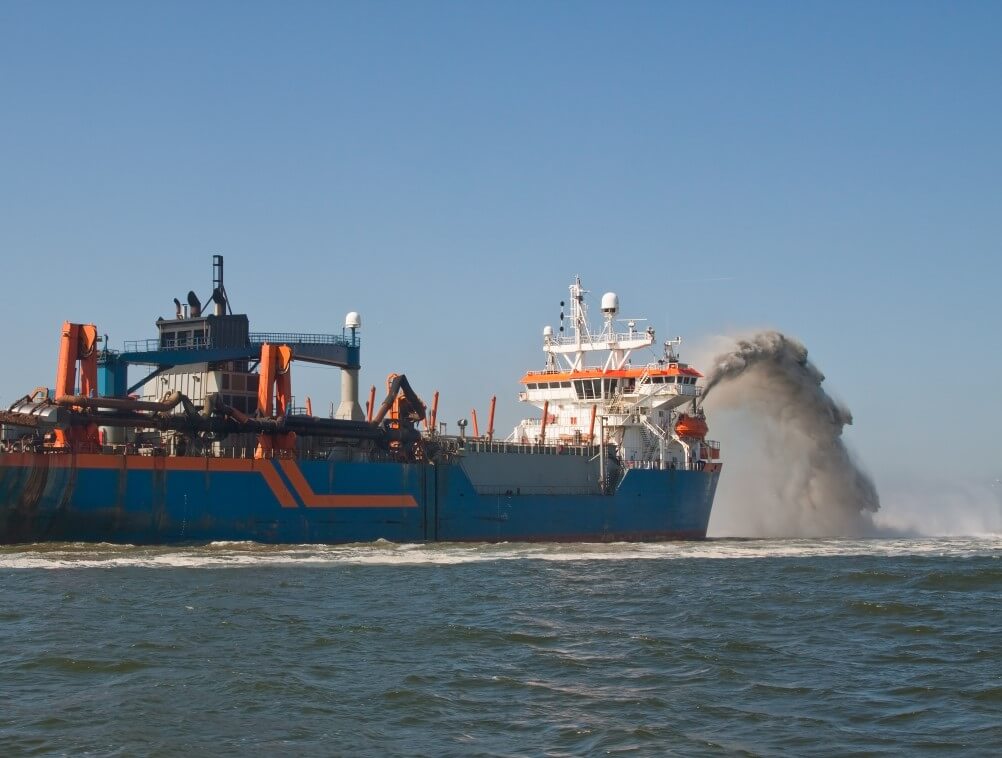
The workers we represent include oil rig crews, commercial fishermen, tugboat crews, dredge operators, and barge workers on the Mississippi River. Each group faces distinct risks, and the applicable legal framework can differ depending on the worker’s role and the type of vessel or structure involved.
OCSLA and Fixed Platform Workers off the Louisiana Coast
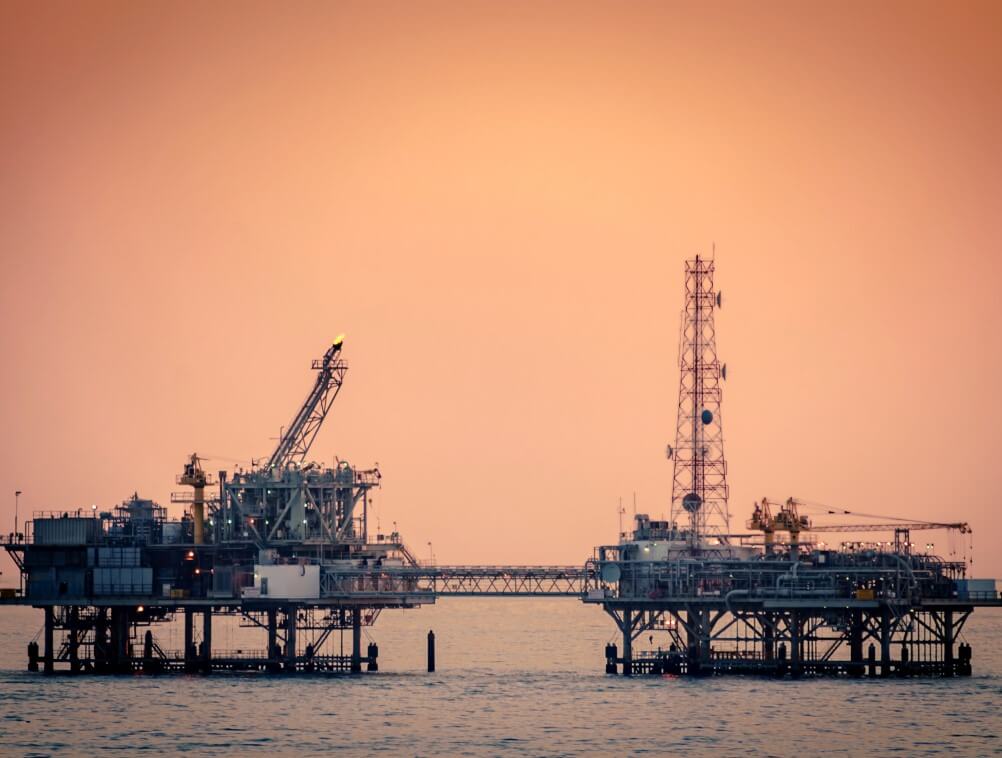
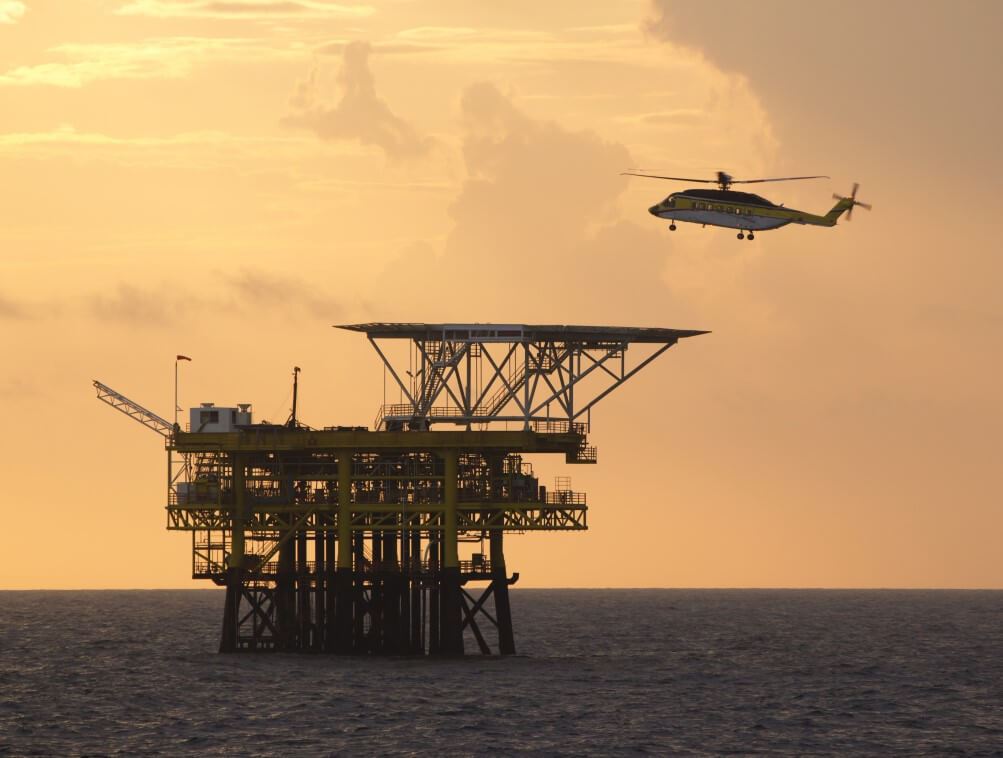
Workers injured on fixed offshore platforms generally don’t qualify as Jones Act seamen because fixed platforms aren’t classified as vessels under maritime law. The Outer Continental Shelf Lands Act (OCSLA) fills that coverage gap for workers whose injuries arise from operations on the Outer Continental Shelf off the Louisiana coast. OCSLA entitles these workers to LHWCA workers’ compensation benefits from their direct employers and allows them to bring third-party negligence claims against companies other than their own employer. For Gulf Coast operations, Louisiana law generally applies to those claims where federal maritime law doesn’t otherwise govern.
Whether an injured worker is covered by the Jones Act, the LHWCA, or OCSLA is a threshold question in every offshore injury claim, one that determines what remedies are available, which procedures apply, and how the claim should be pursued. Getting that question right from the start is one of the most important things an experienced Louisiana offshore injury lawyer does for a client.